+1 647-560-2411

Check conference venues for accessibility, location, and technical support. It should offer flexible layouts, reliable AV and Wi-Fi, in-house catering, and a dedicated events team that handles the details so you don’t have to.
When it comes to conference planning, the venue is the foundation on which everything else is built. Get it right and the day runs itself; get it wrong, and no amount of fantastic keynote speakers or carefully curated agendas can save you.
Here’s exactly how to choose a conference venue and how The Loft on King compares:
An event is only as successful as its turnout, and nothing kills attendance faster than a venue that’s a hassle to get to. If you want to create a successful event, look for a space that’s:

Image Source: Pexels
A truly perfect venue should make it easy for everyone to enter, move around, and participate comfortably. Ideally, you want a venue that’s easily accessible to attendees with mobility, hearing, vision, or other needs.
Look for:
The right venue should comfortably accommodate your entire group, along with equipment, staging, catering stations, and breakout areas. Most rental spaces list venue capacity on their website, but these numbers can vary depending on your event setup and layout.
Here’s our few tips on sizing your venue:
Learn more: 10 Unique Ideas for Your Corporate Event in Toronto
Ask any event planner what their biggest conference nightmare is, and nine times out of ten, it involves a projector. To avoid losing sleep over bad AV, make sure your venue has the audiovisual equipment you need. If they don’t, you’ll have to source it elsewhere.
At minimum, you’ll want:
Tip: Most venue rentals offer basic AV equipment, but likely have a preferred AV partner. Consider hiring them. A technician already familiar with the venue can better prevent technical errors and ensure a seamless flow on event day.
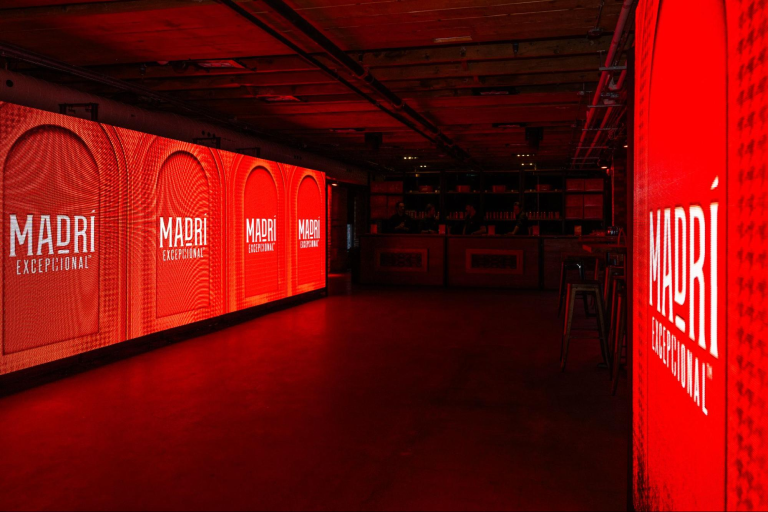
If you can’t brand it, what’s the point? A successful conference often connects back to strong brand presence and a cohesive experience that reflects your identity from start to finish.
Look for a venue that gives you the freedom to:
Tip: Choose a venue that offers in-house chairs and tables. At The Loft on King, event rental already includes standard seating and tables, simplifying event planning and reducing the need for additional rentals.
Depending on your guest count and setup style, additional furniture or specialty pieces may still need to be arranged separately.
Conference attendees may forget what your speakers say, but they never forget about the food (especially if it’s bad). If you plan to host more events, “great content, terrible lunch” is not the review you want circulating in your industry.
To avoid bad conference food, choose an event venue with solid in-house or partner catering, like The Loft on King. Bonus points if they can help you customize the menu and accommodate dietary restrictions (and yes, we can!).
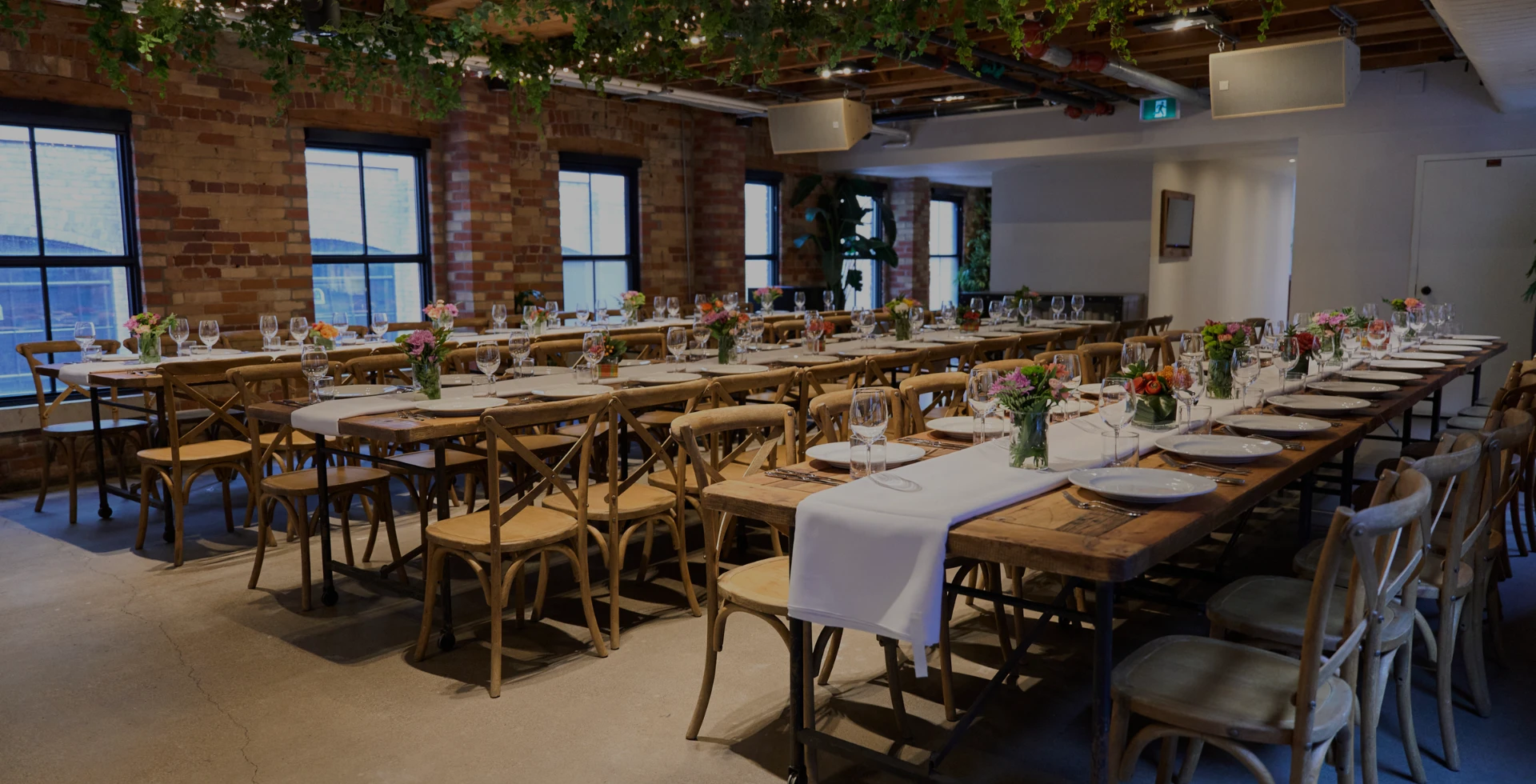
There’s no rule saying conferences must be held in clinical, sterile, fluorescent-lit boardrooms. Natural light, high ceilings, and thoughtful interior design can instantly make an event feel more welcoming and energizing.
More and more corporate event planning experts are choosing unique, charming event spaces with built-in architectural character because they’re:
The perfect conference venue won’t let you just “wing it” on the day. When something goes wrong (and something almost always does), you want experienced hands on deck, not a phone number to call.
Don’t just take a venue’s word for it! Check what past clients have to say. Reviews from real events give you an honest, unfiltered picture of what it’s actually like to host at the space, from how responsive the team is to how the food held up.
| Conference Venue Checklist |
|
A good conference venue is accessible, appropriately sized, technically equipped, and supported by an experienced events team. It should offer comprehensive features and amenities to support your event, including elevators, accessible washrooms, reliable AV equipment, high-speed Wi-Fi, flexible layout options, in-house catering, and dedicated on-site staff.
The most important factors to consider when selecting a venue are:
Conference venue costs vary depending on location, size, and the package. At The Loft on King, pricing typically starts at $3,000 + HST, which covers venue rental and standard inclusions.
No need to ask how to choose a conference venue because The Loft on King checks every box on this list. Whether you’re planning an intimate strategy session or a full-scale corporate conference, our space is designed to adapt to your vision, your brand, and your attendees.
Get in touch to check availability and start planning your event today!


7 Fun Engagement Party Venues in Toronto

Contact us now to book a site visit, and see what our unique 4 floor venue has to offer.