647-560-2411

You can perform several rituals during your wedding as a nod to your cultural roots. Customs like the Mehendi, tea ceremonies, handfasting, lazo, stefana, and jumping the broom symbolize unity and prosperity. Choose traditions that reflect the story you want to tell.
Wedding traditions vary wildly across the globe. From sending wedding invitations to wearing a classic white wedding dress and exchanging wedding rings, these practices have rich histories worth exploring.
Often symbolizing union, luck, and culture, cultural wedding rituals can add more depth to your special day, making it more personal and meaningful. While not mandatory, think of them as a nod to your cultural heritage.
That said, there are hundreds (if not thousands) of customs across many cultures. What are the wedding traditions that you should incorporate into your ceremony? Let’s explore the different ways people celebrate their love and see which ones resonate with you and your partner.
One of the most popular wedding symbols is the flower bouquet. It often has roses, lilies, orchids, or hydrangeas, although you’re free to choose whatever you want. The bride usually carries it as she walks down the aisle.
The tradition dates back centuries. In ancient Rome and Greece, brides would carry rosemary, dill, and garlic to ward off evil spirits and bring in good luck. Over time, the herbs were replaced by something more decorative.
The bridal wedding party stands out right away with their coordinated outfits. This custom dates back to ancient Roman weddings, where women wore the bride’s dress. The idea was to confuse evil spirits or jealous rivals who might try to harm the couple. Nowadays, however, it’s done as a symbol of unity.
In South Asian culture, the Mehendi ceremony is a vibrant pre-wedding ritual that began with Hindu and Sikh families in the 12th century.
It involves applying intricate henna (mehndi) designs that symbolize joy, beauty, spiritual awakening, and prosperity to the bride’s hands and feet. The groom’s hands require only minimal, symbolic designs like initials or geometric patterns.
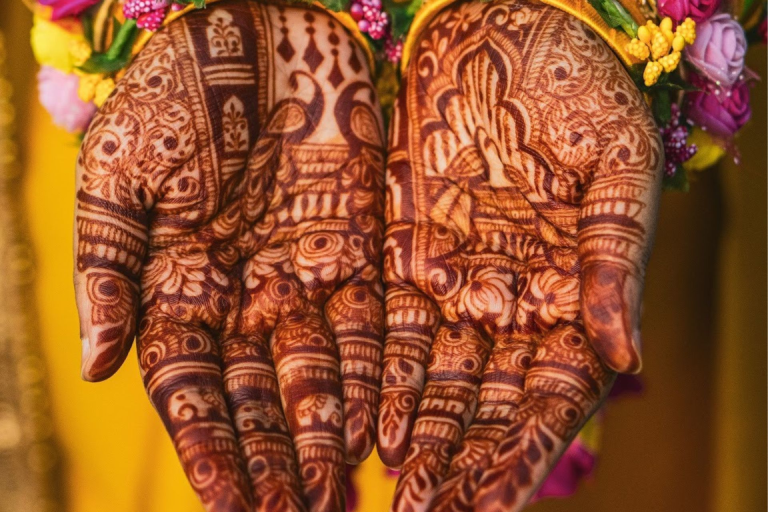
Image Source: Gemini 2026
In Chinese culture, newlyweds honour their families by serving tea to elders in a ceremony known as cha dao, symbolizing the union of two families. During this tradition, parents also give red envelopes with lucky money as a sign of their good wishes.
Jumping the broom is an African-American tradition that dates back to the mid-19th century. It typically involves jumping over a broomstick, either separately or together, to “sweep away” the past.
The practice also honours ancestors who used this ritual to formalize unions when legal marriage was denied.
The Scottish handfasting ceremony is an ancient Celtic ritual where the newly married couple ties their hands together with ribbons, cords, or tartan to symbolize their “binding union.” You typically perform this ritual during the wedding reception.
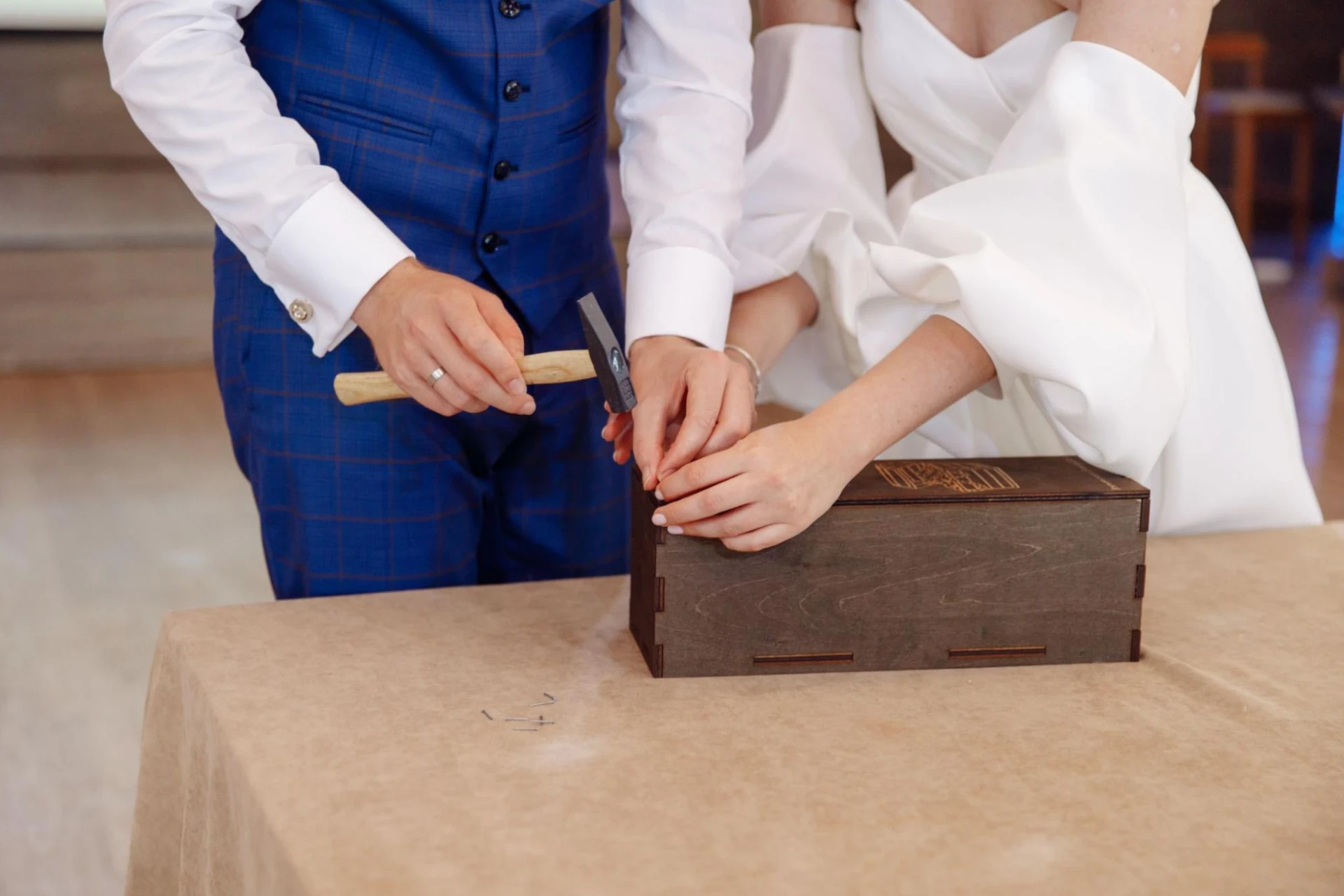
The Mexican lazo (lasso) ritual symbolizes eternal unity. To perform this ritual, the couple has their sponsors place a decorative cord, rosary, or garland in a figure-eight shape over their shoulders. It’s done after the vow and ring exchange.
Stefana is the Greek tradition of “crowning the couple.” The crown symbolizes the glory, honour, and blessing bestowed by God upon the newlyweds. It’s a prominent ritual in Orthodox church weddings.
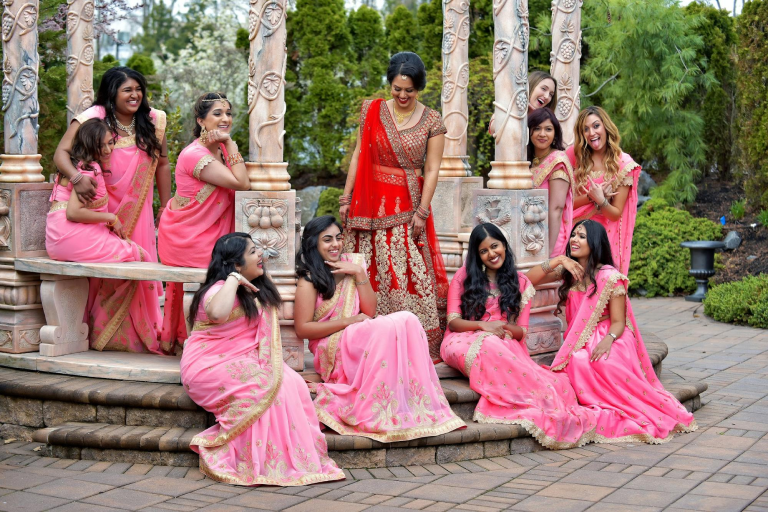
Image Source: Unsplash
Some traditions may feel outdated, but reimagining time-honoured practices is a beautiful way to reflect your unique story without losing sight of your roots.
A few ideas to get you started:
You and your partner should discuss the cultural traditions or religious backgrounds you want to honour. Have an open discussion about what feels meaningful to you. You can also consult your family members, although remember to make the final decision as a couple.
It usually depends on the spiritual, cultural, and religious context. In Chinese culture, the number eight is considered good fortune because its Mandarin translation (Bā) sounds like prosperity. The number nine is associated with longevity and a prosperous future. For Westerners, the number seven wards off bad luck.
Your ceremony must meet your jurisdiction’s legal requirements, i.e., having a licensed officiant, witnesses, and a marriage license. From a cultural and religious perspective, you need to follow specific rites. There’s Nikah in Islam, Saptapadi in Hinduism, and Ketubah in Jewish weddings.
What are the wedding traditions you want on your special day? Whether you’re blending cultural rituals or writing entirely new ones, The Loft on King is your blank canvas in the heart of downtown Toronto.
Set in a historic downtown Toronto space with flexible layouts, our fully customizable 1,850 sq. ft gives you the freedom to celebrate cultures seamlessly, your way. Our experienced planners, caterers, mixologists, and AV technicians can help bring your vision to life.
Call our team to schedule an initial consultation.

10 Small Wedding Ideas for 50 Guests

Do You Need a Wedding Planner? 6 Signs You Do
5 Venue Ideas for Small Weddings in the City

Contact us now to book a site visit, and see what our unique 4 floor venue has to offer.