+1 647-560-2411

Planning a corporate event in Toronto starts with a clear objective, a locked budget, and the right venue. From there, it’s catering, AV, and a run-of-show that keeps everything on track from arrival to wrap.
The task lands on your desk with a vague brief, an ambitious deadline, and a list of attendee expectations that no one has actually agreed on yet. Sound familiar?
Whether you’re an office manager planning your first team event or an executive assistant who’s done this a dozen times, corporate event planning has a way of feeling overwhelming until you break it into the right order of decisions.
Get the sequence right and the whole thing gets manageable fast.
At The Loft on King, we’ve helped hundreds of Toronto companies pull off events that actually land. As the event sales manager, here’s the planning framework I walk every client through from the very first conversation.
Before anything, get clear on what this event actually needs to accomplish. Skipping this step is exactly how you end up with a gorgeous venue that doesn’t fit the format, or a catering spread that misses half the room.
Think about which type of event you’re planning:
Not sure which direction to go? These corporate event ideas break down formats by goal so you can find your fit.
From there, lock in your headcount and format. A seated dinner for 80 and a standing reception for 150 are completely different events, even in the same space. That decision shapes everything from your catering style to your floor plan.
Decide early whether you want a fully indoor setting or a space that opens up to an indoor/outdoor rooftop. Some events come alive with that flexibility. Others, like a structured workshop or a formal client dinner, work better fully contained.
One question cuts through it all: what do you want people to feel or do differently after the event? Start there, and everything else becomes easier to figure out.

Source: Canva
Lock in your numbers first, and let the budget guide the venue decision, not the other way around. Once the venue is signed, every other decision gets squeezed into whatever’s left. That’s how corners get cut on catering, AV, and headcount.
For a mid-range corporate event in Toronto, your costs will typically fall across five buckets: venue hire, catering, AV and tech, entertainment, and decor. Venue and catering alone account for 60% to 70% of total event budgets, so those two decisions deserve the most attention early.
Some of these will overlap depending on what your venue includes: a space with in-house catering and built-in AV removes two of those line items from your plate immediately.
Beyond the obvious costs, a few hidden charges tend to catch planners off guard:
Pro tip: Venues that include in-house catering and audiovisual facilities in a single package are almost always more cost-efficient than managing each supplier separately.
The right corporate event venue in Toronto comes down to five things: location, capacity, accessibility, AV capabilities, and catering. When choosing a venue, run every option against the same set of questions before you fall for the aesthetic.
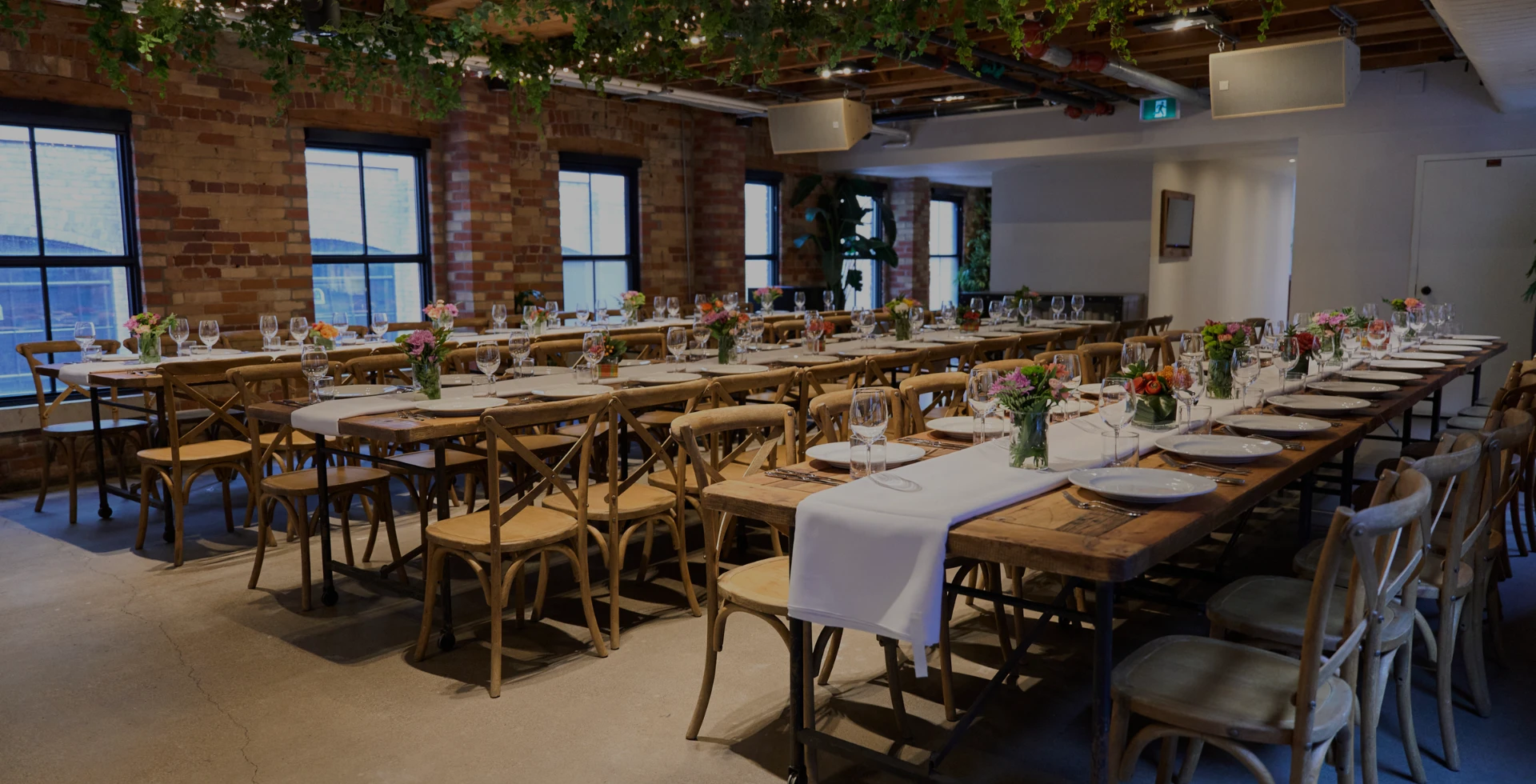
The Loft on King delivers on all five: 1,850 sq. ft. of customizable space in the heart of King West, with a standing capacity of 200 and seating for 120. With in-house catering by Food Dudes, built-in AV, and a layout that adapts to any format, we’re built for every format.
Source: Canva
Guests remember the food. A well-run event with a forgettable menu will still be remembered for the forgettable menu, so getting this right means the difference between being just another work event and throwing a memorable one.
Start with the format. In-house catering means fewer suppliers, menus built for the space, and a much smoother day overall. External catering gives you more cuisine flexibility, but adds another contract and more coordination when things inevitably shift at the last minute.
At The Loft on King, we leave in-house catering to Food Dudes, one of Toronto’s most respected culinary teams. Menus are built around your event, not pulled from a standard package.
Not sure whether a cocktail reception or seated dinner is the right fit? Cocktail-style keeps things relaxed and social, great for networking events whose whole point is mingling. A seated dinner brings more structure and works beautifully for client appreciation nights or anything with a formal program.
A couple of things to sort early: collect dietary requirements from your guest list and build them into the menu from the start. Vegetarian, vegan, gluten-free, and allergy-specific needs are much easier to handle in planning than on the day.
Decide upfront whether you want a full open bar, a curated drinks menu, or timed service. At The Loft on King, bar service is in-house too, so that’s one less thing on your list.
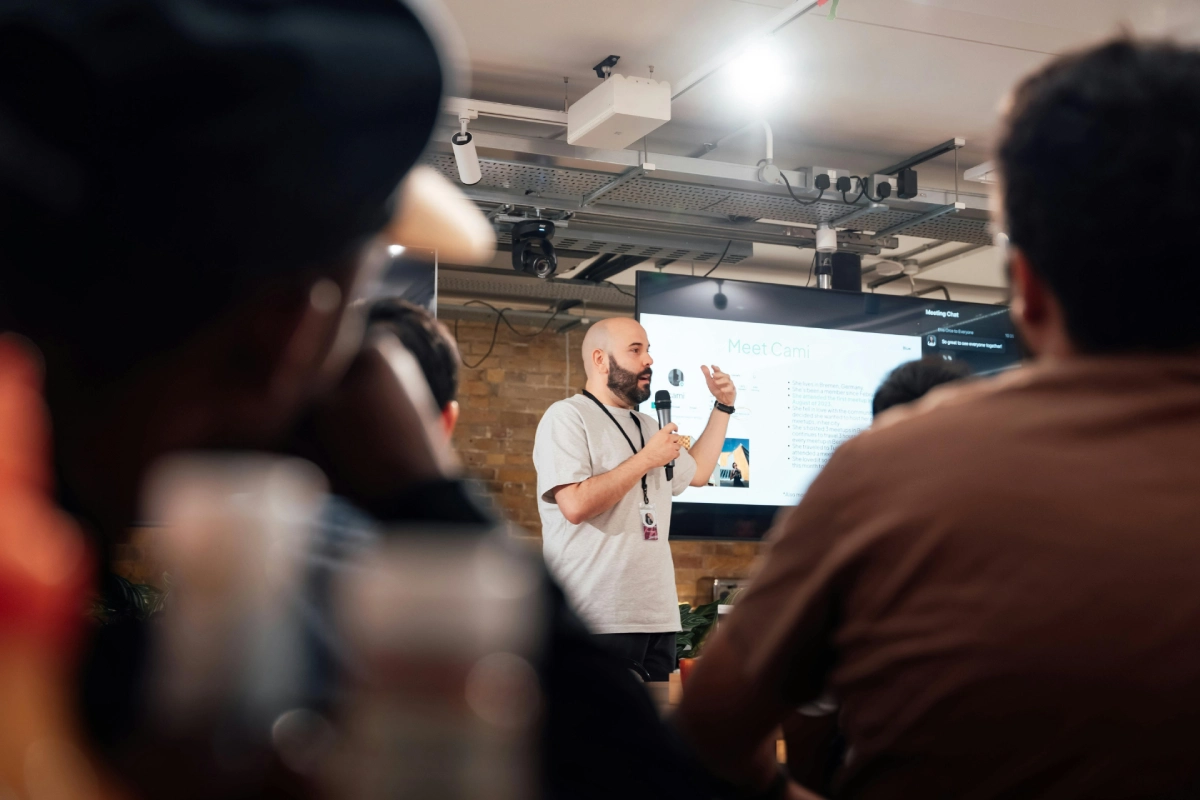
Bad AV can derail an otherwise great event faster than anything. A presentation that won’t load, a microphone that cuts in and out, or lighting that flattens the whole room; these things are avoidable with a bit of prep.
Before you assume your venue has what you need, ask these questions directly:
Purpose-built event venues typically have this infrastructure built in. If your venue is retrofitted or multi-use, get a full equipment list in writing before you sign. Rentals add up quickly and no one likes surprises on event day.
A run-of-show is the minute-by-minute roadmap for your event day. Every supplier, speaker, and staff member works from it, and without one, even the best-planned events start to drift.
Here’s what I walk every client through when we build theirs:
The more detail in the run-of-show, the fewer decisions you’re making on the day. That’s the whole point.
The hardest part of corporate event planning in Toronto is making decisions you haven’t made before, under a deadline, with limited information. A venue that handles catering, audiovisual facilities, and layout in-house removes three of the most time-consuming variables from your plate.
The Loft on King is a 1,850 sq. ft. event space in King West, Toronto, with a dedicated event planning team, a full-service bar and catering, and a flexible floor plan that accommodates everything from intimate board dinners to large-scale company celebrations.
Book a site visit and let’s talk through what your next event needs.


7 Fun Engagement Party Venues in Toronto

Contact us now to book a site visit, and see what our unique 4 floor venue has to offer.